
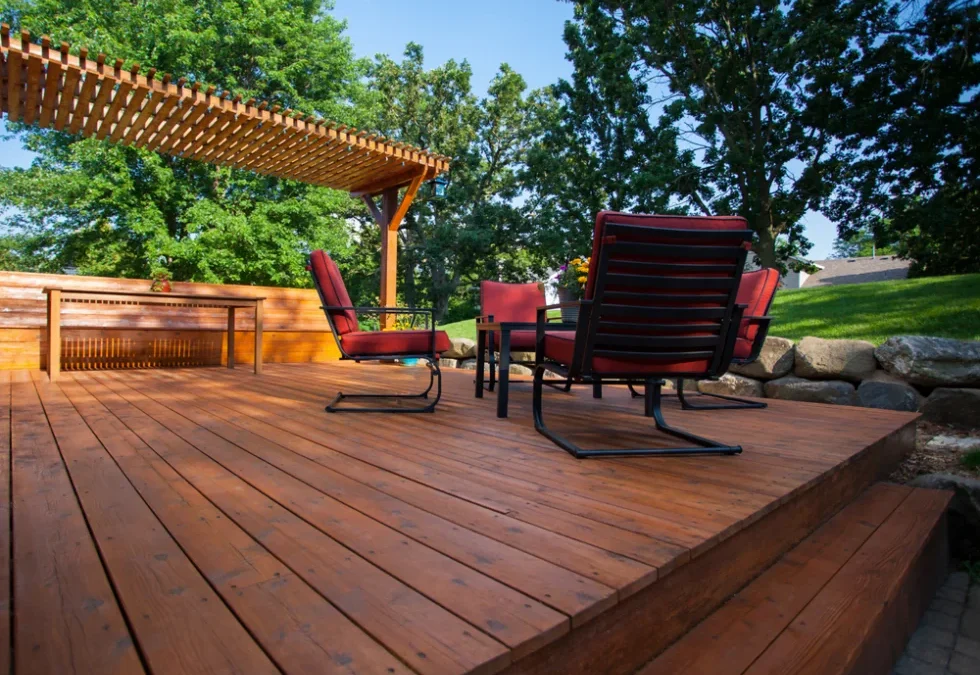
Vancouver’s mix of rain, shade, and freeze-thaw cycles can turn “good wood” into premature rot if you pick the wrong decking and skip the right maintenance. In fact, the Metro Vancouver region averages roughly 1,200 to 1,600 mm of annual precipitation depending on microclimate (Environment and Climate Change Canada, 2025), and that moisture load is the #1 driver of fungal decay in exterior wood. If you’re weighing cedar decking Vancouver homeowners love against the value proposition of pressure-treated lumber, you’re not alone.
This guide breaks down what actually performs best for wood decking in Vancouver in 2026: expected lifespan, real maintenance requirements, sealing schedules for BC, cost tradeoffs, and the decision rules we use at Premier Sundecks. You will also get a practical checklist for choosing boards, designing for drainage, and avoiding the most common failure points.
Why Vancouver’s climate changes the cedar vs pressure-treated answer
In drier climates, the cedar vs pressure-treated debate often comes down to aesthetics and budget. In Vancouver, performance is dominated by moisture management. Persistent wetting, limited drying time in shaded yards, and organic debris build-up create a high-risk environment for rot, cupping, and fastener corrosion.
Moisture, shade, and “time of wetness”
Rot fungi need oxygen, food (wood), and sustained moisture. Vancouver’s shoulder seasons keep decking damp for long stretches, particularly under trees or on north-facing exposures. A deck that stays wet even 10 to 15 percent longer through the year can see noticeably faster surface checking, algae growth, and early coating failure.
Code and product reality in 2026
Pressure-treated lumber sold in Canada is commonly treated to CSA standards for residential use categories, and the treatment chemistry is primarily copper-based (for example ACQ and similar systems). These are effective, but they increase corrosion potential if you use the wrong fasteners. The National Research Council Canada continues to emphasize moisture control and correct detailing as the leading durability factors for exterior assemblies (NRC Canada, 2026). You can see examples of properly detailed outdoor living projects in the Premier Sundecks project gallery, where material selection, drainage, and moisture management are integrated into long-term deck performance.
Cedar decking Vancouver: where it shines and where it struggles
Cedar remains a top choice in the Lower Mainland because it is light, stable, and comfortable underfoot. Many homeowners also prefer its natural look and lower tendency to splinter compared with some fast-grown softwoods. That said, cedar is not “set and forget” in Vancouver’s wet months.
Limitations you should plan around
Practical takeaway: Cedar is a premium comfort and appearance choice for wood decking in Vancouver, but it requires a consistent cleaning and sealing rhythm to stay attractive and safe.
Pressure-treated decking: lifespan, durability, and tradeoffs
Pressure-treated lumber is designed for biological durability. In wet climates, it can be the more forgiving option if your maintenance habits are inconsistent. The tradeoff is appearance, weight, and the need for hardware that can handle copper-based preservatives.
Pressure treated deck lifespan: what’s realistic in Vancouver?
When homeowners ask about pressure treated deck lifespan, the honest answer depends on (1) treatment retention level, (2) drainage and ventilation, (3) fastener choice, and (4) maintenance. Field performance data used by many builders and warranty baselines commonly places properly built pressure-treated decks in the 15 to 25-year range before major board replacement becomes common, with structural framing often lasting longer when correctly rated and detailed.
For context, the American Wood Protection Association notes that preservative-treated wood can deliver multi-decade service life when the correct Use Category is matched to exposure (AWPA, 2025). In Vancouver, the “match” is often where projects fail, especially for posts, beams, and any members close to soil splashback.
Tradeoffs to know before you choose pressure-treated
Practical takeaway: Pressure-treated is often the “best value durability” choice for wood decking in Vancouver, but the detailing and fasteners must be correct, and you still need a sealing plan if you care about appearance and minimizing checking.
Cedar vs pressure-treated: side-by-side comparison for Vancouver homes
If you want one clear decision tool, it is this: choose based on moisture exposure, foot traffic, your maintenance tolerance, and how important “natural beauty” is compared to lowest lifecycle cost.
| Factor (Vancouver conditions) | Cedar decking | Pressure-treated decking |
|---|---|---|
| Typical homeowner priority match | Natural look, comfort, lighter weight | Durability per dollar, forgiveness in wet zones |
| Rot resistance (boards) | Moderate to high (best with heartwood) | High (treatment-dependent) |
| Maintenance frequency in BC | Clean 1 to 2x yearly; oil stain every 12 to 24 months | Clean 1 to 2x yearly; stain/seal every 18 to 36 months (appearance-driven) |
| Comfort underfoot | Excellent; fewer splinters when maintained | Good; can splinter more as it weathers |
| Best-fit locations | Covered decks, good sun and airflow, moderate traffic | Open rain exposure, ground-adjacent decks, rental properties |
Benchmark to use: If your deck stays shaded and damp most of the year, prioritize durability and detailing over aesthetics. If your deck gets strong afternoon sun and dries quickly, cedar can be an excellent long-term choice with predictable maintenance.
Natural wood deck maintenance: what actually works in Vancouver (and what fails)
Most deck disappointments are not “bad wood.” They are predictable maintenance mismatches. Vancouver decks typically fail from trapped moisture, organic debris, and coating systems that are not compatible with wet cycles.
Wood deck sealing BC: how often and what type in 2026
For wood deck sealing BC homeowners should plan for moisture-first products. Penetrating stains are generally preferred in Vancouver because they wear gradually rather than peeling. Water-based formulations have improved significantly in the last few years, with lower VOCs and better early water resistance, which aligns with ongoing Canadian regulatory direction and consumer demand for low-odor products.
As a rule of thumb:
Data point: Coatings performance testing consistently shows that transparent and semi-transparent finishes require more frequent maintenance than solid stains, but they preserve wood grain better and are easier to refresh without full stripping (Forest Products Laboratory, 2024).
What’s changing in 2026: materials, fasteners, and homeowner expectations
In 2026, the biggest shifts we see in Vancouver are not just material choices. They are how decks are detailed, how homeowners plan lifecycle costs, and how products are selected for wet performance rather than showroom appearance. This has also increased interest in low-maintenance waterproofing systems, especially among homeowners comparing the long-term durability of vinyl deck membranes versus traditional wood in BC weather.

Trend 1: “Drainage-first” deck design is becoming standard
Builders are increasingly adding small design upgrades that materially extend service life: better ventilation under low decks, deliberate water-shedding, and avoiding water traps at ledger connections and stair stringers. The National Research Council Canada continues to highlight moisture management as a top durability lever for wood assemblies (NRC Canada, 2026).
Trend 2: Hardware and connectors are getting more scrutiny
Because copper-based treatments can accelerate corrosion, premium fasteners are no longer “nice to have.” They are part of the lifecycle cost equation. The Freedonia Group notes global demand for decking and railing continues to grow into the mid-decade, with higher shares going to premium systems and upgraded components (Freedonia Group, 2025). Vancouver homeowners are reflecting that trend by paying for better screws, hidden fastener systems, and rated connectors to reduce callbacks.
Trend 3: Homeowners want predictable maintenance, not perfection
Post-pandemic, many homeowners are realistic: they want a deck that looks good with one planned maintenance weekend per year, not constant touch-ups. That typically favors penetrating stains, easy-to-clean detailing, and material choices aligned with actual sun and shade conditions.
Common mistakes to avoid (and pro tips that extend deck life)
Most premature deck failures in Vancouver are preventable. These are the patterns we repeatedly see, plus the fixes that produce measurable improvements in longevity and appearance.
Pro tips (immediate upgrades)
Performance benchmark: Homeowners who clean debris off their deck at least monthly during fall leaf season often reduce algae and slip risk significantly and extend the period between recoats by keeping pores from clogging.
How to choose the right option for your home: simple decision rules
If you want a clear recommendation without overthinking it, use these decision rules based on Vancouver realities. This is how we typically guide clients at Premier Sundecks when choosing between cedar and pressure-treated for wood decking in Vancouver. For project-specific advice based on your property, budget, and long-term maintenance goals, consider reaching out to our team through the Premier Sundecks contact page.
Cost note: Total cost is not just board price. Factor in recoating frequency, cleaning time, and the likelihood of replacing boards in high-splash zones near stairs and downspouts.
Conclusion: the better choice depends on moisture exposure and maintenance tolerance
In Vancouver, cedar and pressure-treated can both be excellent if you match the material to the site and commit to smart maintenance. The wrong choice is usually the one that ignores shade, drainage, and your realistic willingness to reseal.
If you want a clear recommendation for your yard’s sun, shade, and drainage conditions, Premier Sundecks can assess exposure, propose a maintenance plan, and help you choose the best-performing option for wood decking in Vancouver in 2026. The next step is a site review that looks at drying potential, ventilation, and the right finish system so your deck looks great through Vancouver’s wet seasons.
Frequently asked questions
What is the best wood decking in Vancouver for heavy rain?
For consistently wet or shaded sites, pressure-treated decking is often the safer durability choice because it is engineered to resist decay. Cedar can still perform well, but it requires stricter moisture management and a consistent sealing schedule. The “best” option depends on how quickly the deck can dry after rainfall.
Is cedar decking worth it in Vancouver?
Yes, if you value appearance and comfort and can maintain it. Cedar performs best when you start with higher-grade heartwood boards and use a penetrating stain on a predictable cycle. In heavily shaded yards, the maintenance burden increases.
What is a realistic pressure treated deck lifespan in BC?
A realistic range for many Vancouver-area decks is about 15 to 25 years for surface boards, with longer potential for properly rated framing. Lifespan depends heavily on drainage, ventilation, and correct fasteners. Poor detailing can shorten life dramatically even with treated lumber.
How often should I do natural wood deck maintenance in Vancouver?
Plan for at least one thorough clean and inspection each spring, plus debris removal during fall leaf season. Most homeowners benefit from a mid-season rinse in summer if pollen and algae build up. Maintenance frequency increases in shaded or tree-covered sites.
What is the best approach to wood deck sealing in BC’s climate?
Penetrating stains are typically the most reliable for Vancouver because they refresh without peeling. Apply only when the wood is dry enough and you have a multi-day dry weather window. Recoat timing is usually 12 to 24 months for cedar and 18 to 36 months for treated, depending on exposure.
Can I stain pressure-treated wood right away?
Usually no, because many boards are still wet from treatment and storage. If you stain too early, you risk poor penetration and early failure. Wait until it dries adequately and confirm readiness with a water-drop absorption test and, ideally, a moisture reading.
Should I use a solid stain or semi-transparent stain for cedar?
Semi-transparent stains highlight grain and are easier to refresh, but they may need more frequent maintenance. Solid stains last longer visually but can hide cedar’s character and may require more prep when they fail. In Vancouver’s wet conditions, prioritize products known for wet-wood tolerance and gradual wear.
What fasteners should I use with pressure-treated lumber in 2026?
Use fasteners and connectors rated for compatibility with modern copper-based preservatives. Stainless steel is a strong choice for coastal or highly exposed areas, while approved coated fasteners can work in typical conditions. Avoid mixing metals that increase corrosion risk.
How do I prevent my deck boards from getting slippery and green?
Keep gaps clear, sweep debris regularly, and wash seasonally to remove algae food sources. Improve sun exposure and airflow where possible by trimming vegetation. Using a penetrating stain with mildewcides can help, but cleaning is still essential.
Is cedar or pressure-treated better for covered decks?
Covered decks reduce wetting and UV exposure, which is a good environment for cedar’s stability and appearance. Pressure-treated still performs well, but its main advantage is reduced in a fully protected space. For many covered Vancouver decks, cedar is the premium “feel and finish” option.