
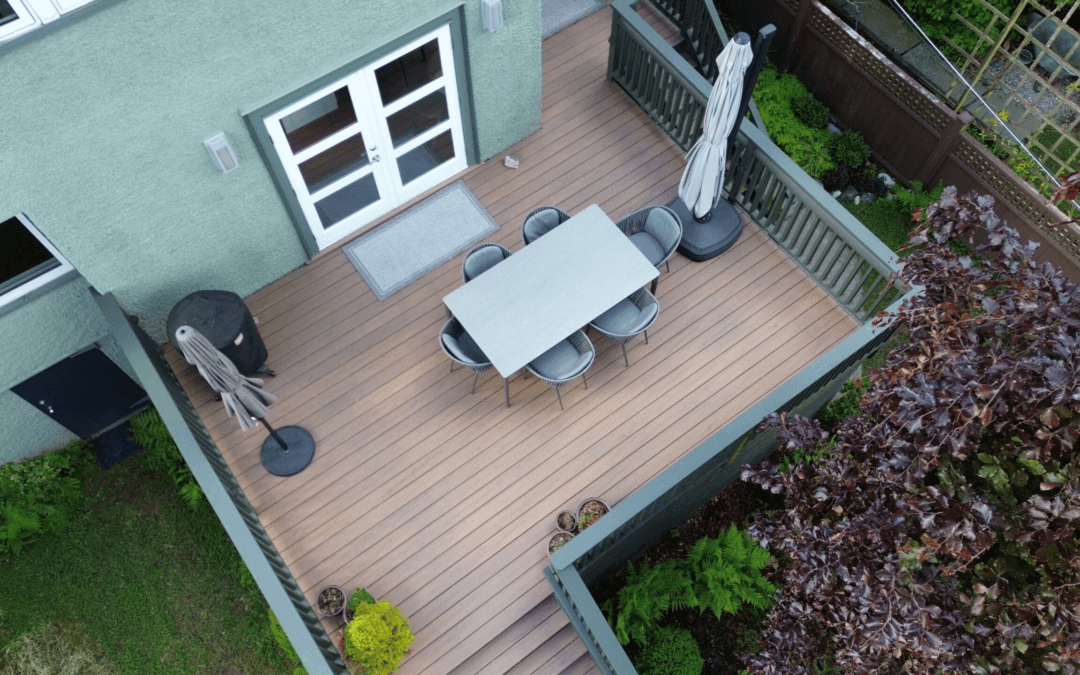
Vinyl flooring has become a popular choice for homeowners looking for a durable, low-maintenance surface both indoors and out. Many homeowners now turn to waterproof vinyl decking as a practical solution for patios, balconies, and rooftop spaces. Before you install it in your outdoor space, though, it helps to understand what makes it work well and what to watch out for.
Outdoor spaces face constant exposure to sun, rain, and temperature swings, so not every flooring material holds up the same way. This guide breaks down the benefits, considerations, and maintenance tips you need before making a decision.
What Makes Vinyl Flooring Suitable for Outdoor Spaces
Vinyl flooring is built with layers designed to resist moisture and wear. This construction is part of why it performs well in areas exposed to the elements.
Because it is manufactured with a waterproof core, vinyl flooring does not swell or warp the way some wood products do when exposed to rain. It also resists fading from prolonged sun exposure, which helps it keep its color over time.
Additionally, many outdoor vinyl products come with textured, slip-resistant surfaces. This makes them a practical option for pool decks, patios, and walkways where safety matters as much as style.
Benefits of Using Vinyl Flooring Outdoors
Choosing the right outdoor flooring involves weighing several factors, including durability, comfort, and appearance. Vinyl flooring checks many of these boxes.
Weather Resistance
One of the biggest advantages of vinyl flooring is its ability to handle changing weather conditions. It does not absorb moisture, so it holds up well through rain, humidity, and even light frost.
Since it is naturally waterproof, vinyl flooring is often used as a top layer over sundeck membranes, adding both protection and style to outdoor living areas.
Low Maintenance
Unlike wood, vinyl flooring does not need staining, sealing, or sanding. A simple rinse or sweep is usually enough to keep it looking fresh.
This makes it especially appealing for busy households or commercial spaces where regular upkeep is not always practical.
Things to Consider Before Installing Vinyl Flooring Outdoors
While vinyl flooring offers many benefits, a few factors deserve attention before installation. Taking time to plan ahead helps avoid problems later.
Surface Preparation
The surface underneath vinyl flooring needs to be clean, level, and structurally sound. Any unevenness can affect how well the material lies and performs over time.
Proper preparation also includes checking for existing moisture issues, since trapped water beneath the flooring can cause long-term damage regardless of the vinyl’s resistance.
Drainage and Ventilation
Outdoor areas need proper drainage to prevent water from pooling on the surface. Without it, standing water can seep into edges or seams over time.
Consider these points when planning your installation:
- Slope the surface slightly to direct water away
- Ensure gaps or drainage channels are included where needed
- Avoid installing directly over areas with poor airflow
- Check that seams are properly sealed
- Confirm the subfloor is dry before installation begins
Addressing drainage early helps your vinyl flooring perform reliably through every season.
Vinyl Flooring vs Other Outdoor Flooring Options
When comparing materials, vinyl flooring often stands out for its balance of durability and affordability. Wood decking offers a natural look but requires more upkeep, while stone or tile can be heavier and more complex to install.
Vinyl flooring, on the other hand, offers a lighter installation process and a wide range of styles that mimic wood or stone without the same maintenance demands. For homeowners looking for weatherproof flooring that still looks polished, it is a strong contender.
That said, every yard and structure is different, so it helps to evaluate your specific space before deciding. Factors like sun exposure, foot traffic, and existing structures all play a role in choosing the right material.
How to Maintain Outdoor Vinyl Flooring
Routine maintenance keeps vinyl flooring performing well for years. Fortunately, the process is simple compared to other outdoor materials.
Here are a few maintenance tips to follow:
- Sweep away debris regularly to prevent buildup
- Rinse with mild soap and water as needed
- Check seams periodically for any separation
- Avoid harsh chemical cleaners that can dull the finish
- Trim nearby plants to reduce moisture buildup on the surface
Because vinyl flooring resists staining and moisture damage, these steps usually take only a few minutes and go a long way in keeping the surface looking new.
Working with Professional Sundeck Solutions
Even though vinyl flooring is designed for durability, proper installation makes a significant difference in how long it lasts. Working with experienced professionals ensures the surface is prepared correctly from the start.
Trusted sundeck solutions can help you choose the right vinyl product for your climate and structure while ensuring proper drainage and sealing. Professional installation also reduces the risk of future issues like lifting seams or trapped moisture, which can shorten the lifespan of the flooring.
Working with a knowledgeable team also means you get guidance on style options, from wood-look finishes to slip-resistant textures suited to pool areas or high-traffic patios.
Final Thoughts
Vinyl flooring offers a practical, weather-resistant option for homeowners who want a durable outdoor surface without heavy maintenance. From its waterproof design to its wide range of styles, it holds up well against sun, rain, and everyday wear. As with any outdoor project, proper preparation and drainage planning make a real difference in long-term performance. If you are considering vinyl flooring for your patio, deck, or outdoor living space, contact us now to get started on a solution that fits your home.
Frequently Asked Questions
Is vinyl flooring waterproof?
Yes. Vinyl flooring is designed with a waterproof core, making it well suited for outdoor spaces exposed to rain and humidity.
Can vinyl flooring be installed over an existing deck?
In many cases, yes, as long as the surface underneath is clean, level, and structurally sound.
Does vinyl flooring fade in direct sunlight?
Quality vinyl flooring is designed to resist UV fading, though prolonged exposure over many years may cause gradual changes depending on the product.
How often does outdoor vinyl flooring need maintenance?
Routine sweeping and occasional rinsing are usually enough, since it does not require staining or sealing like wood.
Is vinyl flooring slip-resistant?
Many outdoor vinyl products include textured surfaces designed to improve grip, especially around pools or wet areas.