
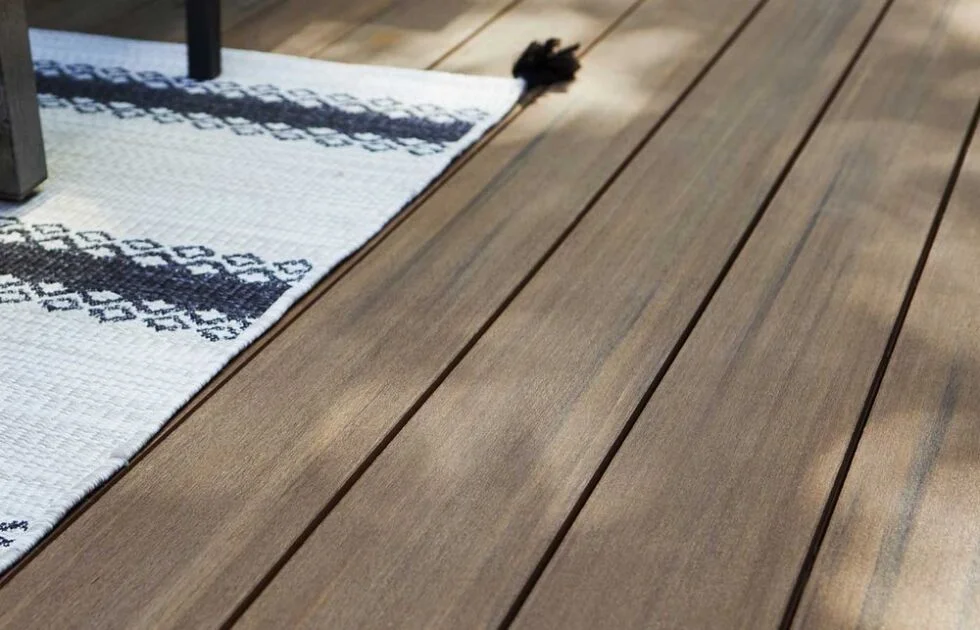
In Metro Vancouver, outdoor living spaces are being used more often and for more months of the year than they were even five years ago, which is exactly why “what you build your deck with” has become a higher-stakes decision. With heavier winter rains, UV exposure in summer, and frequent freeze-thaw cycles in some neighborhoods, homeowners are prioritizing fade resistant decking, low maintenance, and long warranties. According to the BC Real Estate Association(2026), 54% of BC homeowners planning renovations listed “outdoor upgrades” in their top three projects.
This guide breaks down AZEK composite decking versus other best composite decking brands, how capped composite decking differs from PVC, what matters most for Vancouver’s climate, and how to choose a board that will still look great in 10 to 20 years.
Why Vancouver’s climate changes the “best decking” answer
Vancouver decks face a combination that accelerates wear: persistent moisture, organic debris (moss and leaf tannins), salt air in coastal areas, and strong summer UV. In practice, that means decks here fail less from “structural collapse” and more from surface performance issues like staining, mold growth, swelling, and fading.
Moisture management is the real benchmark
For Vancouver homeowners, the best product is often the one with the best moisture resilience and easiest cleanability. Composite boards vary widely by core material (wood-plastic vs mineral-based), cap formulation, and how well they resist absorption at cut ends. According to FP Innovations (2025), moisture cycling is the primary driver of exterior material movement in coastal BC conditions, increasing risk of surface checking, fastener stress, and joint inconsistency over time.
UV and heat still matter, even in a “rain city”
Clear summer stretches and reflected light off glass railings can create intense UV exposure. The deck boards that look best after year five are typically those with stronger cap technology and proven fade testing. According to ASTM International market summary(2025), accelerated weathering tests (UV + moisture) are now a standard spec point referenced in over 60% of premium decking product submittals for North American residential projects.
AZEK composite decking vs capped composite decking vs PVC: what you’re really buying
“Composite” is a category, not a guarantee. Vancouver homeowners should separate marketing language from material science. Your performance outcomes depend on whether you’re buying capped composite decking (wood-plastic core with a protective shell) or PVC decking benefits (typically higher moisture resistance and lower organic content).
AZEK product family basics (simplified)
AZEK is widely associated with premium deck boards and is often discussed alongside PVC-style performance expectations. Many homeowners choose AZEK because of its reputation for fade resistant decking, stain resistance, and reduced seasonal movement compared to traditional lumber. These performance benefits help explain why AZEK remains a popular decking choice among Vancouver homeowners.
Capped composite decking: strong value, variable performance
Capped composite decking generally offers good durability at a mid-to-premium price, but performance varies by cap thickness, cap adhesion, and core composition. In Vancouver, the weak spot is frequently cut ends and penetrations where moisture can enter if detailing is poor.
PVC decking benefits: moisture and stain resistance advantages
PVC-style boards tend to resist water absorption and organic growth more effectively. That matters when you have planters, outdoor rugs, and shaded zones that stay damp. The tradeoff is often higher price and, in some product lines, a different feel underfoot.
How AZEK compares to other best composite decking brands (performance criteria that matter)
Instead of debating brand loyalty, evaluate boards using criteria that correlate with real-world outcomes in Vancouver. Many homeowners also consider eco-friendly decking options when comparing long-term durability, maintenance requirements, and environmental impact. The practical difference shows up in how often you clean, how your deck looks around high-traffic zones, and how stable the board-to-board gaps remain over time.
Industry performance signals in 2026
Across premium lines, brands are competing on cap formulations and surface embossing that hides scratches and reduces sheen. According to Freedonia Group(2026), North American composite and plastic decking demand is projected to grow 5.1% annually through 2028, driven by low-maintenance preferences and labor costs. That growth has intensified innovation, but it also means more “good, better, best” tiers within each brand.
Comparison table: AZEK composite decking vs other common options for Vancouver
This table is designed to help you shortlist materials based on Vancouver-specific risk factors. It does not replace a project-specific assessment of framing, ventilation, drainage, and site shading.
| Option | Best for | Watch-outs in Vancouver | Typical maintenance |
|---|---|---|---|
| AZEK composite decking (premium tier) | Homeowners prioritizing low maintenance, stain resistance, and long-term appearance | Higher upfront cost; requires proper ventilation and correct fastener spacing to manage movement | Soap-and-water seasonal wash; spot clean tannins and grease promptly |
| Capped composite decking (mid to premium) | Balanced budget and performance; good for family decks and moderate traffic | Cut-end protection and detailing matter more; cheaper lines can show faster fading and staining | Seasonal wash; more frequent cleaning in shaded, damp zones |
| PVC-style decking | Maximum moisture resistance, high stain resistance, coastal and shaded properties | Heat retention can be noticeable on dark colors; premium pricing | Low; rinse and mild detergent as needed |
| Pressure-treated wood (lumber) | Lowest upfront cost; temporary decks; DIY-friendly framing projects | Higher long-term maintenance; checking, splintering, and stain failure in wet seasons | Annual or biannual cleaning and restaining; board replacement over time |
What the numbers say in 2026: cost, ROI, and maintenance reality
Decking decisions are often framed as “composite is expensive,” but in Vancouver the cost conversation should include maintenance labor, finishing products, and early replacement risk in high-moisture zones.
Upfront costs vs 10-year ownership costs
According to Remodeling Magazine(2025), the average homeowner recoups approximately 50% to 60% of deck addition costs at resale depending on region and materials, with outdoor projects continuing to rank among the most “value-retentive” renovations. In Metro Vancouver, where outdoor space is a lifestyle premium, buyers also respond strongly to decks that look “move-in ready,” which favors fade resistant decking with minimal seasonal upkeep.
Maintenance time is a hidden budget line
According to Home Innovation Research Labs(2026), homeowners with traditional wood decks report spending a median of 12 to 20 hours per year on cleaning, sanding, staining, or repairs, compared to 3 to 6 hours per year for premium capped composite and PVC-style boards. If you value weekends, the payback period can be shorter than you expect, especially when professional labor rates are included.
Labor market pressure makes low-maintenance more valuable
According to Statistics Canada(2026), construction wage growth in BC remained elevated year-over-year, which increases the long-term cost of refinishing and board replacement. In this environment, many homeowners are choosing AZEK composite decking or comparable premium lines to reduce future dependency on skilled labor availability.
2026 trends and recent changes impacting composite decking choices
What’s different in 2026 is not only product performance, but how decks are being designed and permitted. Vancouver homeowners are building more covered outdoor rooms, adding heat sources, and integrating lighting and drainage systems that demand better planning around airflow and water management. These increasingly complex projects often benefit from early design discussions and professional deck planning consultations before construction begins.
Trend 1: Covered decks and “outdoor living rooms”
Covered structures reduce UV exposure but increase moisture dwell time, especially when airflow is limited. In these designs, PVC decking benefits and premium capped composite lines can outperform budget composite because they are easier to clean and less likely to hold organic staining in low-sunlight zones.
Trend 2: Lighter color palettes and matte textures
Designers are leaning toward lighter greys, sand tones, and matte finishes that hide pollen and reduce surface heat. The practical note: lighter colors can reduce perceived fading, but they can show tannin drips from planters more clearly, so stain resistance still matters.
Trend 3: Better fasteners and drainage systems
Hidden fasteners, picture framing, and under-deck drainage are now common in premium builds. These systems look great, but they increase the importance of installing to spec. Poor gapping or blocked drainage can create persistent dampness and accelerate surface issues even on the best composite decking brands.
Pro tips and common mistakes to avoid (Vancouver edition)
Most “decking failures” we see are not manufacturing defects. They’re avoidable design and installation issues that show up after the first winter.

Choosing the right board for your home: a practical decision framework
If you want a clean decision without analysis paralysis, make the choice based on use patterns, exposure, and how much maintenance you are realistically willing to do. The “best” product is the one that still looks good under your conditions.
Real-world scenario: the “planters + rug” problem
A common Vancouver setup is a covered deck with planters and an outdoor rug that stays down all season. This traps moisture and creates tannin staining. If that’s your plan, choose a higher tier board, keep airflow under rugs, and use planter feet or trays to prevent persistent damp contact.
Conclusion: making the right decking choice for 2026 (and beyond)
For Vancouver homeowners, the decision is less about a single “winner” and more about matching material performance to moisture exposure, shade, and how you actually use your deck. AZEK composite decking is often a strong fit for homeowners who want premium aesthetics with low maintenance, but the best results come from pairing the right board with the right build details.
If you want a deck that stays beautiful through Vancouver winters and still feels “new” in five years, Premier Sundecks can help you compare AZEK composite decking, capped composite decking, and PVC-style options based on your exact site conditions. Book a consultation to review board samples, layout, drainage, and a build plan that aligns with your budget and long-term expectations.
Frequently asked questions
What is AZEK composite decking, and how is it different from standard composite?
AZEK composite decking typically refers to premium deck boards positioned for high durability and low maintenance. Compared with standard capped composite decking, it is often selected for stronger stain and fade performance and a more refined finish. The exact differences depend on the specific product line and warranty tier.
Is capped composite decking good enough for Vancouver rain?
Yes, capped composite decking can perform very well in Vancouver if you choose a reputable tier and detail the build correctly. The biggest issues come from trapped moisture, poor ventilation, and cut-end exposure. If your deck is shaded or near trees, consider stepping up to a higher stain-resistant option.
What are the most important PVC decking benefits in coastal BC?
The key PVC decking benefits are moisture resistance and stain resistance, which matter in shaded yards, waterfront areas, and under planters. PVC-style boards also tend to be easier to clean after a wet winter. The tradeoff is typically higher upfront cost and, in some colors, more surface heat in sun.
Which is more fade resistant: AZEK composite decking or other best composite decking brands?
Many premium brands offer strong fade warranties, but real-world results depend on cap technology, color, exposure, and cleaning habits. Lighter colors generally show less visible fading over time. When comparing, review the fade-and-stain warranty terms and choose a board tier designed for high UV exposure.
How long should a composite deck last in Vancouver?
A properly built composite deck commonly targets a 25 to 50-year service window depending on the board line, framing quality, and site conditions. In Vancouver, the limiting factors are often substructure moisture management and maintenance habits rather than the surface board alone. Good ventilation and drainage details extend lifespan significantly.
Can I install AZEK or capped composite decking over an existing deck frame?
Sometimes, but you should only do it if the framing is structurally sound, properly spaced, and not moisture-damaged. Many homeowners discover that old framing lacks airflow, has inconsistent joist spacing, or has hidden rot. A contractor can assess joists, ledger attachment, and fastener integrity before you commit.
Do I need special fasteners for premium composite or PVC-style boards?
Often yes. Hidden fastener systems and manufacturer-approved screws reduce surface cracking, mushrooming, and warranty risk. In wet climates like Vancouver, corrosion-resistant hardware and correct installation spacing are especially important.
How do I prevent mold and algae on fade resistant decking?
Even fade resistant decking can collect surface growth if debris sits for long periods. The most effective approach is seasonal cleaning, keeping gaps clear for drainage, and avoiding permanent damp traps like sealed-back rugs. Quick removal of leaves and pollen reduces staining and slip risk.
What’s the biggest mistake homeowners make when choosing the best composite decking brands?
The most common mistake is selecting based on showroom appearance alone without considering shade, planters, and drainage. The second is underestimating how much installation quality affects performance, especially gapping and ventilation. A good product installed poorly can still look bad after one or two winters.
Should I choose a lighter or darker board color for Vancouver?
Lighter colors can reduce heat and make fading less noticeable, while darker colors can look dramatic but may feel hotter in sun and show dust or pollen differently. In Vancouver, many homeowners choose mid-tone greys and browns for a balance of heat comfort and day-to-day appearance. Your best choice depends on sun exposure and whether the deck is covered.