
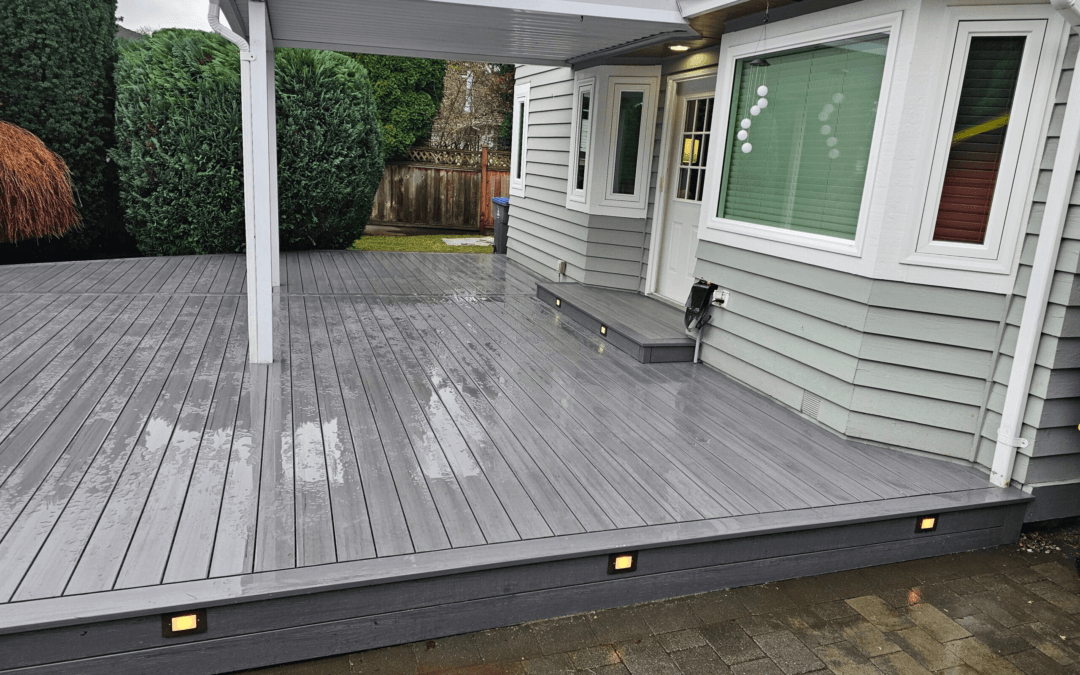
Small backyard deck designs give homeowners a smart way to enjoy outdoor living without needing acres of space. Many homeowners now choose composite decking for its durability and low upkeep, which makes it a popular pick for compact outdoor areas. Whether your yard is narrow, oddly shaped, or simply limited in size, there is a layout that can fit your home comfortably and still feel spacious.
A well-planned deck can turn even the smallest yard into a functional retreat. From cozy seating nooks to multi-level platforms, the right design choices help you get the most out of every square foot. This guide walks through practical ideas, materials, and planning tips so you can create an outdoor space that works for your lifestyle.
Why Small Backyard Deck Designs Work So Well
Small yards often feel like a limitation, but they actually offer more design flexibility than people expect. A compact footprint means you can focus on quality over quantity.
Because the space is limited, every element serves a purpose. This leads to smarter layouts, better traffic flow, and a more intentional use of materials. Homeowners also tend to spend less on upkeep since there is simply less surface area to maintain.
Additionally, smaller decks are easier to personalize. You can experiment with unique shapes, built-in furniture, or decorative railings without the layout feeling cluttered. As a result, many small backyard deck designs end up looking more polished than sprawling ones.
Key Elements to Consider Before Building
Before choosing a style, it helps to think through a few basics. These elements shape how your deck will look, feel, and function once it is complete.
Materials That Make a Difference
The material you choose affects both appearance and long-term performance. Wood offers a natural look, while composite decking resists warping, splintering, and fading over time.
Since composite decking requires less sanding and staining, it is a practical choice for busy homeowners. It also holds up well against moisture, which matters in yards with limited airflow or shade.
Layout and Space Planning
Layout planning is where small decks truly shine. Think about how you will use the space, whether for dining, lounging, or simply relaxing outdoors.
Consider these factors when planning your layout:
- The direction of sunlight throughout the day
- Existing landscaping or trees you want to keep
- Access points from your home
- Privacy needs from neighboring properties
- Furniture size and movement space
Taking time to map these details out first prevents costly redesigns later and helps the finished deck feel intentional rather than crowded.
15 Small Backyard Deck Designs to Inspire Your Project
Below are fifteen practical layouts that work especially well for compact yards. Each one balances style with functionality, so you can pick a direction that matches your space and taste.
Space-Saving Layouts
These designs focus on minimizing footprint while maximizing usable area.
- Corner Deck – Tucked into a single corner, this layout leaves the rest of the yard open for landscaping or play areas.
- Narrow Side Deck – Perfect for slim side yards, this design runs along the house rather than out into the yard.
- Platform Deck – A simple, low-profile deck that sits close to the ground and blends naturally with the surroundings.
- L-Shaped Deck – This shape wraps around a corner of the home, creating separate zones for dining and lounging.
- Floating Deck – Detached from the house, a floating deck can be placed anywhere in the yard for a private nook.
Multi-Level and Tiered Designs
Tiered decks add visual interest and help define separate activity zones within a small footprint.
- Two-Tier Deck – One level for dining and another slightly raised for lounging creates natural separation.
- Stepped Deck – Gentle steps between levels follow the natural slope of the yard.
- Wraparound Tier – A raised tier wraps partially around a tree or garden feature.
- Sunken Lounge Deck – A slightly lowered section creates a cozy, sheltered feel for seating.
Built-in Seating and Storage Solutions
Built-in features reduce clutter and make the most of tight spaces.
- Bench-Lined Deck – Built-in benches along the perimeter free up floor space for movement.
- Storage Bench Deck – Seating that doubles as storage keeps cushions, tools, or games out of sight.
- Planter Box Border – Integrated planter boxes act as both a railing and a garden feature.
Decorative and Multi-Functional Features
These small backyard deck designs bring in extra charm and versatility.
- Pergola-Topped Deck – A pergola adds shade and structure without taking up floor space.
- Fire Pit Corner – A small designated corner for a fire pit creates a natural gathering point.
- Multi-Use Deck – Combining a dining area, a small lounge, and a planter border makes one deck feel like three distinct spaces.
Choosing the Right Materials for Your Small Deck
Material choice plays a major role in how long your deck lasts and how much maintenance it needs. Since small decks are used often, durability matters just as much as appearance.
Composite decking continues to be a favorite because it holds its color and texture through changing seasons. Unlike traditional wood, it does not require yearly staining or sealing, which saves time throughout the year. For homeowners who want a clean, modern look with minimal upkeep, composite decking is worth considering as part of your overall design plan.
Working with Professional Deck Builders
Even a small project benefits from experienced guidance. A professional can help you avoid structural issues and make the most of your available space.
Working with trusted deck builders in Vancouver ensures your design meets local building codes while still reflecting your personal style. Professionals can also recommend materials suited to your climate and yard conditions, which helps the finished deck perform well for years.
Furthermore, experienced builders often spot opportunities that homeowners might miss, such as using an awkward corner for extra seating or angling boards to make a small space feel larger.
Maintenance Tips for Small Backyard Decks
Keeping a small deck in good condition does not require much effort, especially with the right materials and habits.
Here are a few simple maintenance tips:
- Sweep debris regularly to prevent moisture buildup
- Check railings and fasteners for looseness each season
- Rinse composite decking with mild soap and water as needed
- Trim nearby plants to keep airflow around the deck boards
- Inspect for shifting or settling after heavy rain
Because small decks have less surface area, these tasks generally take only a short amount of time compared to larger structures.
Final Thoughts
Small backyard deck designs prove that a limited footprint does not mean limited style. With thoughtful planning, the right materials, and a layout suited to your yard, even a modest space can become a favorite spot for relaxing or entertaining. From built-in seating to tiered platforms, there are plenty of ways to make a small deck feel both functional and inviting. If you are ready to bring one of these ideas to life, contact us now to start planning a deck that fits your space perfectly.
Frequently Asked Questions
What size works best for a small backyard deck?
Most small decks range from a compact corner nook to a modest platform large enough for a table and a few chairs. The right size depends on how you plan to use the space.
Is composite decking a good choice for small yards?
Yes. Composite decking resists moisture and fading, which makes it a reliable option for yards with limited shade or airflow.
Can a small deck still include multiple zones?
Absolutely. Many small backyard deck designs use tiers, built-in seating, or planter borders to create distinct areas within one footprint.
Should I hire a professional for a small deck project?
Working with experienced builders helps ensure proper structure, drainage, and code compliance, even for compact designs.
How do I choose the right layout for my yard?
Consider sunlight, existing landscaping, and how you plan to use the space before settling on a final design.