
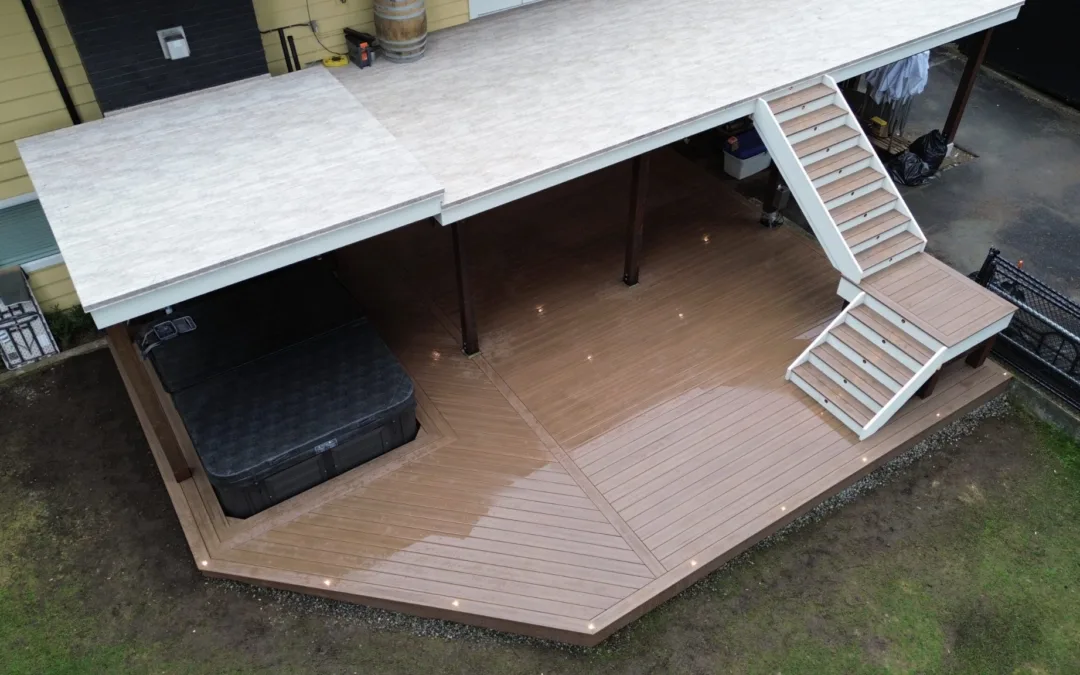
When comparing outdoor vinyl tiles to sheet flooring, many homeowners want to understand which option truly offers the best long-term performance. Exploring trusted sundeck solutions can help clarify how each material performs in real outdoor conditions. Both options offer durability and style, but they work in noticeably different ways. This guide breaks down the key differences to help you choose the right fit for your deck.
Understanding Outdoor Vinyl Tiles and Vinyl Sheet Flooring
Before comparing performance, it helps to understand what each material actually involves. This foundation makes the rest of the comparison easier to follow.
Outdoor vinyl tiles are typically installed in individual sections, creating a modular flooring surface. Vinyl sheet flooring, by contrast, comes in large continuous rolls that are installed as a single seamless surface across the deck.
Because these two materials are structured so differently, understanding their basic composition helps clarify how they perform under different outdoor conditions.
What Are Outdoor Vinyl Tiles
Outdoor vinyl tiles offer a modular approach to deck flooring, giving homeowners flexibility in both installation and future repairs. Understanding this format helps highlight its practical advantages.
These tiles are typically installed piece by piece, allowing for easier replacement if a single section becomes damaged over time. Because outdoor vinyl tiles are installed in segments, this format can simplify certain repairs without requiring a full flooring replacement.
This modular design also allows for creative layout options, giving homeowners more flexibility when designing their outdoor space.
Key Features of Outdoor Vinyl Tiles
- Modular, segment-based installation
- Easier spot repairs if damage occurs
- Flexible layout and design possibilities
- Often used in smaller or uniquely shaped spaces
What Is Vinyl Sheet Flooring
Vinyl sheet flooring offers a continuous, seamless surface that provides strong waterproofing across the entire deck. Understanding this format helps clarify its unique benefits.
Because vinyl sheet flooring is installed as one continuous piece with heat-welded seams, it creates a fully sealed barrier that offers excellent protection against water infiltration. This format is often preferred for larger decks or spaces where uninterrupted waterproofing is a top priority.
This seamless design also tends to create a clean, uniform appearance across the entire surface.
Key Features of Vinyl Sheet Flooring
- Continuous, seamless installation
- Strong waterproofing through heat-welded seams
- Uniform appearance across large surfaces
- Often ideal for elevated decks or larger spaces
Comparing Waterproofing and Seams
Waterproofing is one of the most important factors to consider when choosing outdoor flooring, since moisture protection directly affects long-term durability. Understanding how each option handles this factor is essential.
Because outdoor vinyl tiles are installed in individual sections, seams between tiles can sometimes create potential points for moisture to seep through if not properly sealed. Vinyl sheet flooring, with its continuous surface and heat-welded seams, often provides stronger overall waterproofing, especially for decks located above living spaces.
This difference makes waterproofing an important consideration when deciding which material best suits your specific outdoor space.
Installation Differences
Installation methods vary significantly between these two options, which can influence both timeline and long-term performance. Understanding these differences helps set realistic expectations.
Outdoor vinyl tiles are generally quicker to install due to their modular format, making them a practical option for smaller projects or spaces with unique shapes. Vinyl sheet flooring typically requires more precise installation to ensure seams are properly welded, which is essential for achieving full waterproof performance.
Because proper installation plays such a significant role in long-term durability, working with experienced professionals is important regardless of which option you choose.
Durability and Long-Term Performance
Both materials offer strong durability, but their long-term performance can vary depending on how they are used and maintained. Understanding these differences helps guide your decision.
Outdoor vinyl tiles tend to perform well in moderate outdoor conditions, though individual seams may require more attention over time to maintain full waterproof protection. Vinyl sheet flooring often provides more consistent long-term performance due to its seamless design, making it a strong choice for decks exposed to heavier rainfall or elevated structures.
A trusted vinyl deck covering system, properly installed, can offer years of reliable performance regardless of which format you choose.
Design and Appearance Options
Beyond function, both materials offer appealing design possibilities that can enhance the overall look of your outdoor space. Exploring these options can help you visualize the final result.
Outdoor vinyl tiles often allow for creative patterns and layout combinations, giving homeowners flexibility to personalize their space. Vinyl sheet flooring, meanwhile, tends to offer a clean, continuous look that works especially well for larger or more uniform deck areas.
Both options come in a variety of colors and textures, allowing you to match your deck’s design to your home’s overall style.
Design Considerations to Keep in Mind
- Tile formats allow for creative pattern layouts
- Sheet flooring offers a seamless, uniform appearance
- Both options come in multiple color and texture choices
- Design should complement your home’s exterior style
Which Option Is Better for Your Deck
Choosing between these two materials often comes down to your specific deck size, structure, and priorities. Understanding these factors can help you make a confident decision.
If you have a smaller or uniquely shaped deck, outdoor vinyl tiles may offer more flexibility and easier maintenance. If your priority is maximum waterproofing, especially for larger or elevated decks, vinyl sheet flooring may be the stronger choice. According to the National Association of Home Builders, selecting the right decking material based on structural needs and climate conditions plays a significant role in long-term performance, reinforcing why this decision deserves careful thought.
Considering your specific deck layout, exposure to moisture, and personal design preferences can help you choose the option that best fits your needs.
Final Thoughts
Choosing between outdoor vinyl tiles and vinyl sheet flooring ultimately depends on your deck’s size, structure, and specific waterproofing needs. Tiles offer flexibility and easier repairs, while sheet flooring provides stronger seamless protection for larger or elevated spaces. Understanding these differences can help you select a flooring option that fits both your practical needs and design preferences. If you would like guidance choosing the best option for your deck, contact us now to start planning your project.
Frequently Asked Questions
Are outdoor vinyl tiles as waterproof as sheet flooring?
They can offer good moisture resistance, though seams between tiles may require more attention compared to the fully sealed surface of vinyl sheet flooring.
Which option is easier to repair if damaged?
Outdoor vinyl tiles are generally easier to repair, since individual sections can often be replaced without redoing the entire surface.
Is vinyl sheet flooring better for elevated decks?
Yes, its seamless, heat-welded design often provides stronger waterproofing, making it a popular choice for elevated or larger deck structures.
Can I create custom patterns with outdoor vinyl tiles?
Yes, their modular format allows for flexible layout options and creative design possibilities.
Which option requires less maintenance over time?
Vinyl sheet flooring often requires less ongoing maintenance due to its continuous, seamless surface, though both options are relatively low maintenance overall.