
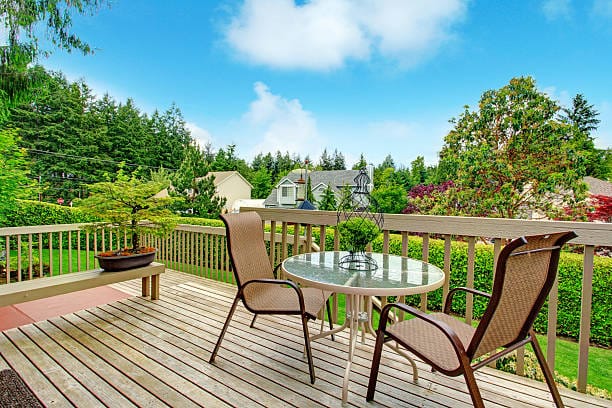
If your backyard is on the smaller side, finding the right small deck ideas can help you make the most of every square foot. Choosing durable materials like waterproof vinyl decking is a smart place to start, since it holds up well in tight spaces without sacrificing style or comfort.
A compact deck does not have to feel cramped or limited. With thoughtful planning, the right layout, and a few clever design choices, even a small space can become a functional and inviting outdoor retreat. This guide walks through practical strategies for designing a deck that feels open, purposeful, and perfectly suited to your home.
Why Small Decks Deserve Thoughtful Planning
A smaller footprint actually requires more intentional design than a large deck, since every element needs to serve a clear purpose. Careful planning helps avoid wasted space and awkward layouts.
Exploring small deck ideas early in the planning process allows you to prioritize what matters most, whether that means seating, dining, or simply a quiet spot to relax. Thoughtful planning helps you avoid common pitfalls such as:
- Overcrowding the space with too much furniture
- Choosing pieces that feel bulky or out of scale
- Ignoring traffic flow between key areas
- Ending up with a layout that feels closed in rather than open
Taking time to plan ahead ensures your finished deck feels balanced, comfortable, and genuinely usable.
A smaller deck also tends to highlight design mistakes more clearly than a larger one, since there is less room to visually absorb an awkward layout or mismatched furniture. This is exactly why upfront planning pays off, helping you avoid costly changes once construction or furnishing is already underway.
Choosing a Layout That Maximizes Space
The layout you choose has a bigger impact on how a small deck feels than almost any other design decision. A smart layout can make even a modest space feel surprisingly open.
Popular layout strategies for compact decks include:
- Positioning furniture along the perimeter to open up the center
- Using an L-shaped bench to save floor space while adding seating
- Creating distinct zones for lounging, dining, and plants
- Keeping pathways clear to avoid a cluttered feel
Among the most effective small deck ideas is designing around a single focal point, such as a cozy seating area, rather than trying to fit too many features into one space.
Corner layouts also tend to work particularly well in small spaces, since they leave the center of the deck open for movement while still providing a defined area for relaxing or entertaining. This approach naturally guides how furniture and decor are arranged throughout the rest of the space.
Multi-Functional Furniture Solutions
Furniture that serves more than one purpose is one of the easiest ways to make a small deck feel more spacious and functional. Choosing wisely here can free up valuable room.
Consider furniture options such as:
- Storage benches that double as seating
- Foldable tables that can be tucked away when not in use
- Ottomans that provide extra seating or a footrest
- Stackable chairs that free up space when not needed
Multi-functional pieces allow you to enjoy a fully equipped outdoor space without overwhelming the area, which is especially valuable when working with limited square footage.
Choosing furniture with a smaller visual footprint, such as pieces with slim legs or an open frame design, can also help maintain a sense of airiness. Bulky furniture tends to visually shrink a space, even if it technically fits within the available square footage.
Using Vertical Space Wisely
When floor space is limited, looking upward can open up a surprising number of design possibilities. Vertical elements add both function and visual interest.
Ways to use vertical space effectively include:
- Hanging planters instead of floor-based pots
- Wall-mounted shelves for small plants or decor
- Vertical trellises to support climbing greenery
- String lights or lanterns hung overhead for ambiance
Incorporating small deck ideas that draw the eye upward helps create a sense of height and openness, making the space feel larger than its actual footprint suggests.
Vertical gardens, in particular, offer a practical way to add greenery without sacrificing precious floor space. Mounting planters directly to railings or walls keeps the deck floor clear while still bringing natural texture and color into the design.
Choosing the Right Decking Materials
Material choice plays a significant role in how a small deck looks, feels, and performs over time. The right material can also simplify long-term maintenance.
When selecting materials, consider:
- Durability in your local climate conditions
- Slip resistance for safety, especially near seating areas
- Low-maintenance options that reduce upkeep over time
- Color and texture that complement your home’s exterior
Lighter-colored decking materials can also help a small space feel brighter and more open, especially when paired with a simple, uncluttered layout.
Texture matters as well, since a smooth, consistent surface tends to visually expand a space more than a busy pattern or heavily grained finish. Simplicity in material choice often complements the goal of making a compact deck feel larger and more cohesive.
Adding Privacy Without Sacrificing Space
Privacy is often a priority for homeowners with smaller outdoor spaces, especially in close-knit neighborhoods. Fortunately, there are space-efficient ways to achieve it.
Effective privacy solutions include:
- Slatted privacy screens that allow airflow
- Tall potted plants used as natural dividers
- Retractable shades for adjustable coverage
- Lattice panels paired with climbing vines
These options provide privacy without requiring bulky structures that would otherwise overwhelm a compact deck.
Positioning privacy elements strategically, rather than surrounding the entire deck, also helps preserve openness. Focusing coverage on the specific angle where privacy is needed most, such as toward a neighboring window, keeps the rest of the space feeling light and unobstructed.
Enhancing the Space With Color and Lighting
Color and lighting choices can dramatically influence how spacious a small deck feels, often more than any structural change. These design elements are also relatively simple to adjust.
Helpful tips include:
- Sticking to a cohesive, light color palette
- Using warm lighting to create a welcoming atmosphere
- Adding accent lighting to highlight key features
- Avoiding overly dark tones that can make a space feel smaller
Small, intentional touches like these can transform the overall feel of a deck without requiring any major structural changes.
Layering different light sources, such as combining string lights with subtle step or railing lighting, can also add depth and dimension to the space after dark. This layered approach makes a small deck feel just as inviting in the evening as it does during the day.
Working With Experienced Deck Builders
Bringing your vision to life often works best with guidance from professionals who understand how to design efficiently for smaller spaces. Experienced builders can help translate your ideas into a functional layout.
Partnering with skilled deck builders in Vancouver ensures your design choices work well together structurally, aesthetically, and functionally, especially when working within the constraints of a compact space. Professional guidance often uncovers creative solutions homeowners might not have considered on their own.
Experienced builders can also help identify structural opportunities, such as built-in seating or storage integrated directly into the deck frame, that maximize function without adding visual clutter. These kinds of details are often easier to plan during the design phase rather than adding them after construction is complete.
Bringing It All Together
Combining several of these strategies often produces the best results, since layout, furniture, materials, and lighting all work together to shape the overall feel of the space.
When exploring small deck ideas, it helps to start with your top priorities, whether that is entertaining guests, relaxing outdoors, or growing plants, and build the design around those needs first. This approach ensures every design choice supports how you actually plan to use the space.
Final Thoughts
Designing a compact outdoor space does not mean giving up style or functionality. With the right combination of layout, furniture, materials, and lighting, small deck ideas can transform even the smallest backyard into a comfortable and inviting retreat. Thoughtful planning and a few smart design choices can make all the difference in how the space ultimately feels and functions. If you are ready to start planning your own deck, you can contact us now to begin the conversation.
Frequently Asked Questions
How can I make a small deck feel bigger without adding square footage?
Using light colors, multi-functional furniture, and vertical design elements like hanging planters or wall-mounted shelving can all help create a sense of openness.
What furniture works best for a compact deck?
Storage benches, foldable tables, and stackable chairs are popular choices since they serve multiple purposes without taking up unnecessary space.
Do I need to sacrifice privacy on a small deck?
Not at all. Slatted screens, tall planters, and retractable shades all offer effective privacy solutions without requiring bulky structures.
What type of decking material works best for small spaces?
Durable, low-maintenance materials in lighter tones tend to work especially well, since they help the space feel brighter and more open.
Should I hire a professional to design a small deck?
Working with an experienced builder can help ensure your layout, materials, and design choices work together effectively, especially in a limited space.