
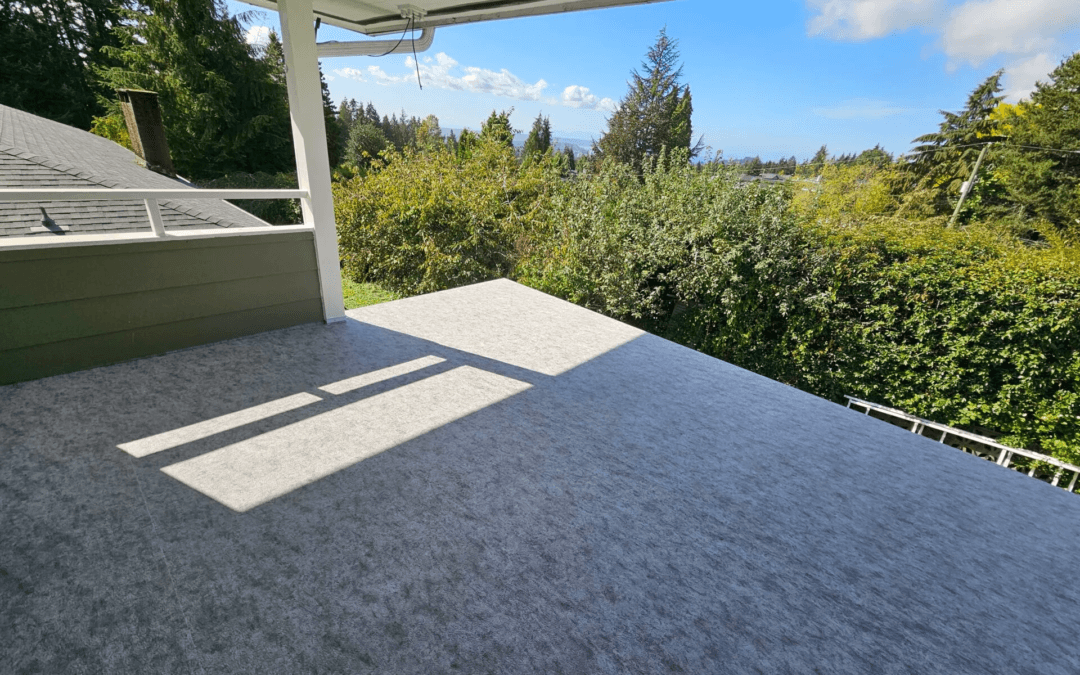
Choosing the right decking material in British Columbia isn’t just about looks, it’s about longevity. With heavy rainfall, moisture, and fluctuating temperatures, outdoor structures in BC face constant environmental stress. This is why many homeowners compare vinyl deck membrane systems with traditional wood decking when planning a new build or renovation.
While wood offers a timeless, natural appeal, it often struggles to withstand long-term exposure to moisture. On the other hand, modern vinyl deck covering solutions are designed specifically for sundeck waterproofing and durability in wet climates.
So, which option truly lasts longer in BC weather?
In this guide, we’ll break down the lifespan, maintenance, waterproofing performance, and long-term return on investment of both materials. If you’re in the research phase, this comparison will help you make a confident, informed decision.
Understanding Vinyl Deck Membrane Systems
A vinyl deck membrane is a waterproof layer installed over a deck surface to protect the structure from moisture. Unlike traditional decking materials, vinyl acts as a sealed barrier that prevents water from penetrating into the framing below.
This makes it especially effective for balcony waterproofing and elevated decks where water damage can affect both the deck and the space underneath.
How vinyl deck membranes work:
- Installed as a continuous sheet over the deck surface
- Seams are heat-welded to prevent leaks
- Designed with slope for water drainage
- Protects structural components from moisture
Modern systems, including marine grade vinyl deck materials, are built to handle harsh weather conditions, including heavy rain and UV exposure.
Key benefits of vinyl deck membrane systems:
- Fully waterproof surface
- Excellent deck rot prevention
- Long lifespan with minimal maintenance
- Ideal for rooftop and elevated decks
Homeowners can explore professional vinyl decking systems Unlike wood, vinyl membranes are specifically engineered for climates like BC, where moisture resistance is essential for long-term durability.
Traditional Wood Decking: A Classic but High-Maintenance Option
Traditional wood decking has long been a popular choice for homeowners who appreciate natural aesthetics. Materials like cedar and pressure-treated lumber offer warmth and visual appeal that many find attractive.
However, in BC’s damp climate, wood decks face significant challenges. Moisture exposure can lead to rot, warping, and mold growth if the deck is not properly maintained.
Common issues with wood decking in BC weather:
- Absorption of moisture leading to structural damage
- Cracking and warping due to temperature changes
- Mold and mildew growth in damp conditions
- Frequent maintenance requirements
Wood decks require regular upkeep to maintain their appearance and performance.
Maintenance tasks include:
- Annual sealing or staining
- Cleaning to prevent mold buildup
- Repairing damaged boards
- Inspecting for structural issues
While wood can last for many years with proper care, its lifespan is heavily dependent on consistent maintenance. Without it, deterioration can occur quickly in wet environments.
For homeowners considering alternatives, it’s worth understanding how waterproof systems compare in long-term durability and cost.
Why Wood Decks Struggle in BC’s Climate
BC’s coastal weather creates the perfect conditions for moisture-related damage. Wood is naturally porous, meaning it absorbs water over time.
This leads to several long-term issues:
- Increased risk of rot and decay
- Expansion and contraction due to moisture
- Weakening of structural components
- Reduced lifespan without ongoing maintenance
Even with proper sealing, wood decks are still vulnerable to water infiltration, especially in areas with heavy rainfall.
In contrast, a vinyl deck membrane creates a sealed surface that prevents moisture from entering the structure in the first place. This makes it a more reliable option for homeowners prioritizing durability and deck rot prevention.
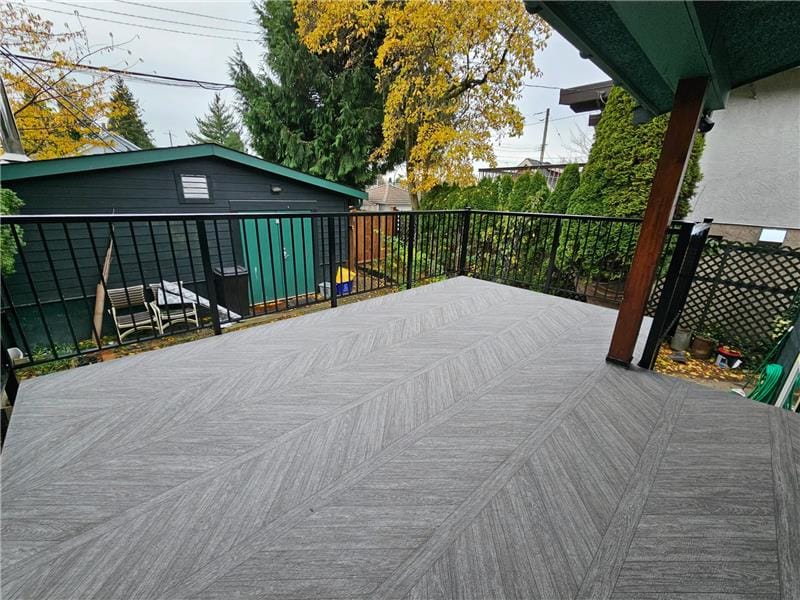
Vinyl Deck Membrane vs Wood: Lifespan Comparison
When comparing materials, lifespan is one of the most important factors for homeowners.
Vinyl Deck Membrane Lifespan:
- Typically lasts 20–30 years with proper installation
- Resistant to moisture, UV rays, and mold
- Requires minimal maintenance
Wood Deck Lifespan:
- Typically lasts 10–15 years depending on maintenance
- Vulnerable to rot and weather damage
- Requires ongoing upkeep
The difference in lifespan comes down to moisture resistance. Vinyl systems are designed to prevent water penetration, while wood relies on surface treatments that wear down over time.
Why vinyl lasts longer:
- Sealed waterproof surface
- No absorption of moisture
- Resistant to environmental damage
Why wood deteriorates faster:
- Absorbs water over time
- Requires frequent sealing
- Susceptible to rot and decay
For BC homeowners, the extended lifespan of vinyl often translates into better long-term value.
Maintenance and Long-Term Costs
Maintenance plays a major role in the overall cost of a deck. While wood may seem more affordable upfront, ongoing maintenance can significantly increase long-term expenses.
Vinyl Deck Covering Maintenance:
- Occasional cleaning with soap and water
- Minimal repairs required
- No sealing or staining needed
Wood Deck Maintenance:
- Regular staining and sealing
- Frequent repairs for damaged boards
- Higher long-term upkeep costs
Over time, the cost of maintaining a wood deck can exceed the initial savings.
Cost-related advantages of vinyl decking:
- Reduced maintenance expenses
- Longer lifespan
- Lower repair frequency
Additionally, vinyl systems can protect the space below the deck, adding functional value to your home.
ROI: Which Decking Option Offers Better Value?
When evaluating return on investment, durability and maintenance costs are key factors.
Vinyl Deck ROI Benefits:
- Longer lifespan reduces replacement costs
- Minimal maintenance lowers ongoing expenses
- Waterproofing protects structural integrity
Wood Deck ROI Challenges:
- Higher maintenance costs over time
- Shorter lifespan in wet climates
- Increased risk of repairs
While wood offers aesthetic appeal, vinyl provides better long-term value for homeowners focused on durability and cost efficiency.
A professionally installed vinyl deck membrane can significantly improve the usability and longevity of outdoor spaces.
Why Vancouver Homeowners Choose Vinyl Deck Covering
For many BC homeowners, the decision ultimately comes down to performance. A vinyl deck covering offers reliable waterproofing and long-term durability that traditional wood cannot match.
Key reasons homeowners choose vinyl:
- Complete sundeck waterproofing
- Protection against moisture and rot
- Low maintenance requirements
- Modern, clean appearance
Vinyl is especially popular for balcony waterproofing and elevated decks where water protection is critical.
Premier Sundecks specializes in installing high-quality vinyl decking systems designed for Vancouver’s climate. Their approach focuses on durability, precision installation, and long-term performance.
Choosing experienced professionals ensures your deck is built to withstand BC weather conditions.
Conclusion: Which Lasts Longer?
When comparing vinyl deck membrane vs traditional wood, the answer is clear for BC homeowners focused on longevity.
Vinyl offers:
- Superior waterproofing
- Longer lifespan
- Lower maintenance costs
- Better protection against rot and moisture
Wood, while visually appealing, requires significant upkeep and is more vulnerable to weather-related damage.
For homeowners looking to invest in a durable, long-lasting outdoor space, vinyl deck covering provides a reliable solution that performs well in BC’s challenging climate.
For personalized guidance or to start your project, contact the team.
A well-built vinyl deck can provide years of worry-free outdoor living while protecting your investment.